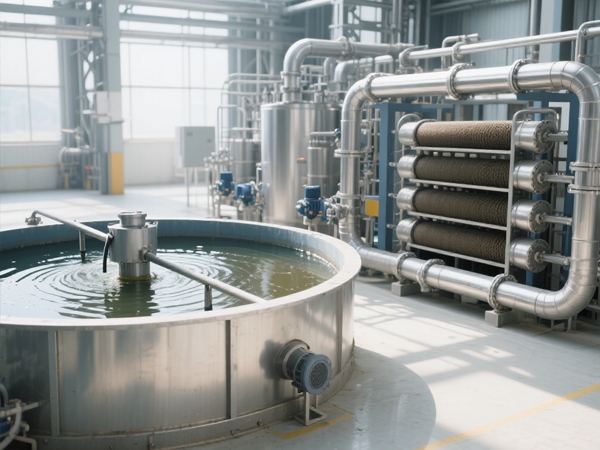
Rainwater reuse system
Release Date:2025-08-13 11:20Popularity:160
Rainwater, as a clean and renewable water resource, has great potential for utilization. The rainwater recycling system collects, treats, and stores rainwater, making it available for various non-potable purposes. This not only alleviates the pressure on municipal water supply but also contributes to the conservation of water resources and the improvement of the ecological environment.
What is a Rainwater Recycling System?
A rainwater recycling system is a comprehensive set of facilities and processes designed to collect rainwater from rooftops, roads, squares, and other surfaces, then treat it to meet specific water quality standards, and finally store and distribute it for reuse. Unlike wastewater, rainwater is relatively clean in its initial state, containing fewer pollutants, which makes the treatment process simpler compared to other types of wastewater treatment systems.
Components of a Rainwater Recycling System
A typical rainwater recycling system consists of the following key components:
Collection System
The collection system is responsible for gathering rainwater from various catchment surfaces. Common catchment surfaces include rooftops, which are ideal because they are relatively clean and can collect large amounts of rainwater; roads and squares, which are usually paved with impermeable materials, allowing rainwater to flow into drainage channels; and green spaces, where rainwater can be collected through infiltration and collection facilities. The collection system includes gutters, downspouts, drainage pipes, and collection wells, which guide the rainwater to the treatment system.
Treatment System
The treatment system is crucial for ensuring the quality of recycled rainwater. The treatment process depends on the quality of the collected rainwater and the intended use. Generally, the treatment process includes the following steps:
Pretreatment: This step removes large debris, leaves, sand, and other suspended solids from the rainwater. Devices such as grilles, screens, and sedimentation tanks are used. Grilles and screens intercept large objects, while sedimentation tanks allow sand and other heavy particles to settle at the bottom.
Filtration: After pretreatment, the rainwater undergoes filtration to remove finer suspended solids, colloids, and some organic matter. Common filtration methods include sand filtration, multi-media filtration, and membrane filtration. Sand filtration uses layers of sand and gravel to filter the water; multi-media filtration uses a combination of different filter media such as anthracite, sand, and gravel for better filtration 效果 (effect); membrane filtration, such as microfiltration, can remove even smaller particles and microorganisms.
Disinfection: To ensure the safety of the recycled rainwater, disinfection is necessary, especially if the water is to be used for purposes that may come into contact with humans, such as landscape irrigation or toilet flushing. Common disinfection methods include chlorination, ultraviolet (UV) disinfection, and ozone disinfection. These methods can effectively kill bacteria, viruses, and other pathogens in the water.
Storage System
The storage system is used to store the treated rainwater for later use. Storage facilities can be underground tanks, above-ground tanks, or cisterns. The size of the storage facility depends on the amount of rainwater collected, the treatment capacity, and the water demand. The storage facility should be properly sealed to prevent contamination and evaporation. Some advanced storage systems are equipped with level sensors and automatic control devices to monitor the water level and ensure a stable water supply.
Distribution System
The distribution system delivers the stored rainwater to the points of use. It includes pumps, pipes, valves, and meters. Pumps are used to pressurize the water and transport it through the pipes to various applications. Valves control the flow of water, and meters measure the amount of water used. The distribution system should be designed to meet the pressure and flow requirements of different water uses.
Application Scenarios of Rainwater Recycling System
Rainwater recycling systems have a wide range of applications in both residential and commercial settings:
Residential Buildings: In residential communities, recycled rainwater can be used for watering gardens, washing cars, flushing toilets, and filling swimming pools. This reduces the use of tap water and lowers water bills for residents.
Commercial and Industrial Buildings: Office buildings, shopping malls, factories, and other commercial and industrial facilities can use recycled rainwater for landscape irrigation, cleaning outdoor areas, and as cooling water in industrial processes. For example, some factories use rainwater for cooling equipment, reducing the demand for industrial water.
Public Facilities: Parks, golf courses, sports fields, and municipal green spaces can utilize recycled rainwater for irrigation, which is not only cost-effective but also helps maintain the greenery. Public toilets in parks and scenic spots can also use recycled rainwater for flushing.
Agriculture and Horticulture: In rural areas, rainwater recycling systems can collect rainwater for agricultural irrigation, especially in areas with water scarcity. This helps ensure the growth of crops and reduces the reliance on groundwater.
Advantages of Rainwater Recycling System
Water Conservation: By recycling rainwater, the system reduces the extraction of freshwater from rivers, lakes, and groundwater, conserving valuable water resources. This is particularly important in regions facing water shortages.
Cost Savings: Using recycled rainwater can lower the cost of water supply for households, businesses, and public facilities. It reduces the demand for municipal water, which in turn reduces water bills and the cost of water treatment for municipalities.
Flood Control: The collection and storage of rainwater can reduce the amount of surface runoff, alleviating the pressure on urban drainage systems and reducing the risk of flooding.
Environmental Protection: Reducing the use of groundwater helps prevent land subsidence. Additionally, the use of rainwater for irrigation can reduce the need for chemical fertilizers and pesticides, as rainwater is naturally soft and contains fewer contaminants.
Sustainable Development: Rainwater recycling promotes a circular economy of water resources, contributing to sustainable development and building a water-saving society.
Future Development of Rainwater Recycling System
With the increasing awareness of water conservation and the advancement of technology, rainwater recycling systems will become more popular and sophisticated. The integration of smart technologies, such as Internet of Things (IoT) sensors and automatic control systems, will enable real-time monitoring of rainwater collection, treatment, and usage, optimizing the operation of the system. The development of more efficient and low-cost treatment technologies, such as advanced membrane materials and biological treatment methods, will improve the quality of recycled rainwater and expand its application scope. Moreover, the combination of rainwater recycling systems with other water management measures, such as gray water recycling and groundwater recharge, will form a more comprehensive water resources management system.
In conclusion, the rainwater recycling system is an effective way to utilize rainwater resources, offering significant benefits in water conservation, cost savings, flood control, and environmental protection. Its widespread application is essential for achieving sustainable water use and building a resilient and eco-friendly society.
Recommend