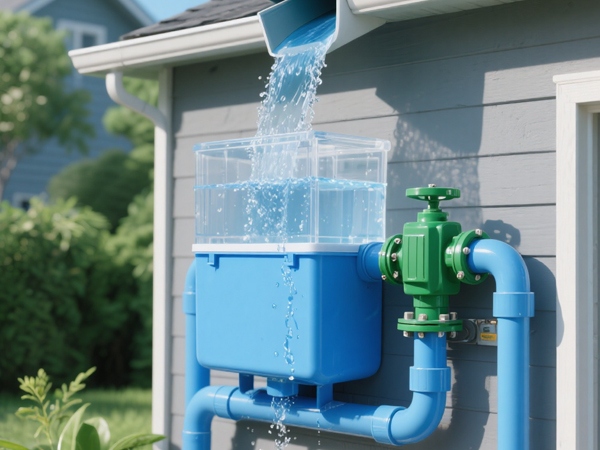
Circulating water treatment system
Release Date:2025-08-13 11:20Popularity:160
In industrial production, commercial facilities, and even residential complexes, a large amount of water is used in cycles—such as cooling water in factories, swimming pool water, and water in artificial landscapes. These water sources, if left untreated, will gradually deteriorate due to repeated use, leading to problems like scaling, corrosion, and bacterial growth, which affect the normal operation of equipment and systems. The circulating water treatment system is designed to solve these issues, maintaining water quality and ensuring the efficient and stable operation of the circulating water system.
What is a Circulating Water Treatment System?
A circulating water treatment system refers to a set of processes and equipment that treats water in a closed or semi-closed circulating system to control the concentration of pollutants, prevent scaling and corrosion, inhibit microbial growth, and extend the service life of the water and related equipment. Its core goal is to reduce water consumption and wastewater discharge by maximizing the reuse rate of circulating water, thereby achieving efficient use of water resources and environmental protection.
Key Treatment Objectives of Circulating Water Systems
The circulating water treatment system focuses on addressing several key issues to maintain the stability and efficiency of the circulating water:
Scaling Prevention: When water is repeatedly evaporated and concentrated in the circulating process, dissolved minerals such as calcium and magnesium ions in the water will reach saturation and precipitate, forming scale on the inner walls of pipes and equipment. Scale reduces heat transfer efficiency, increases energy consumption, and even blocks pipes. The system uses methods such as chemical dosing (adding scale inhibitors) and ion exchange to control the concentration of scaling ions, preventing scale formation.
Corrosion Inhibition: The metal surfaces of pipes and equipment in contact with circulating water are prone to corrosion due to factors such as dissolved oxygen, pH value, and harmful ions in the water. Corrosion can lead to equipment leakage, reduced service life, and even safety accidents. The system adds corrosion inhibitors to form a protective film on the metal surface, isolating the metal from water and reducing corrosion.
Microbial Control: Circulating water, especially in warm and humid environments, is an ideal breeding ground for microorganisms such as bacteria, algae, and fungi. These microorganisms multiply in large numbers, forming biofilms on the surface of equipment and pipes, which can cause biological fouling, blockage, and even accelerate corrosion. The system uses biocides (such as chlorine-containing compounds, ozone) and biological inhibitors to kill or inhibit microbial growth.
Suspended Solids Removal: Circulating water may contain suspended solids from external sources or generated during the circulation process. These solids can deposit on the surface of equipment, affecting heat transfer and causing wear. Filtration equipment such as sand filters and cartridge filters are used to remove suspended solids.
Core Technologies of Circulating Water Treatment Systems
To achieve the above treatment objectives, circulating water treatment systems adopt a variety of technologies, which can be divided into physical treatment, chemical treatment, and biological treatment according to their principles:
Chemical Treatment Technology: This is the most commonly used technology in circulating water treatment. It involves adding various chemicals to the water to control scaling, corrosion, and microbial growth. Common chemicals include:
Scale Inhibitors: Such as polyphosphates, phosphonates, and polymers, which can chelate with calcium and magnesium ions, preventing them from precipitating to form scale.
Corrosion Inhibitors: Including inorganic inhibitors (such as chromates, nitrites) and organic inhibitors (such as amines, imidazolines), which form a protective film on the metal surface.
Biocides: 分为氧化性杀菌剂 (oxidizing biocides) such as chlorine dioxide and ozone, and non-oxidizing biocides such as quaternary ammonium salts and isothiazolinones. They can effectively kill microorganisms in the water.
Physical Treatment Technology: This technology does not require adding chemicals, avoiding secondary pollution. Common methods include:
Electromagnetic Treatment: Using electromagnetic fields to change the crystal structure of calcium and magnesium ions in the water, preventing them from adhering to the pipe walls to form scale.
Ultrasonic Treatment: Ultrasonic waves generate cavitation effects in water, which can remove existing scale and inhibit the growth of microorganisms.
Filtration: As mentioned earlier, sand filters, multi-media filters, and membrane filters are used to remove suspended solids and colloids in the water.
Biological Treatment Technology: This technology uses microorganisms to degrade organic matter in the water and control the growth of harmful microorganisms. For example, adding beneficial bacteria that can compete with harmful microorganisms for nutrients, or using biological activated carbon filters to remove organic pollutants through the action of microorganisms attached to the carbon surface.
Application Fields of Circulating Water Treatment Systems
Circulating water treatment systems are widely used in various fields where water is reused in cycles:
Industrial Circulating Water: In power plants, chemical plants, steel mills, and other industrial enterprises, a large amount of cooling water is used. The circulating water treatment system ensures the efficient operation of cooling towers and heat exchangers by preventing scaling and corrosion, reducing energy consumption and maintenance costs.
Commercial and Public Facilities: Swimming pools, water parks, and artificial landscape lakes all require circulating water treatment. The system maintains water clarity, controls bacterial growth, and ensures the health and safety of users. For example, swimming pool water is continuously filtered, disinfected, and balanced in pH through a circulating system.
Residential Communities: Some high-end residential communities with central air conditioning systems or artificial lakes also use circulating water treatment systems to ensure the normal operation of air conditioning cooling water systems and the cleanliness of landscape water.
Agricultural Circulating Water: In greenhouse cultivation and aquaculture, circulating water treatment systems are used to treat irrigation water and aquaculture water, reducing water waste and preventing the spread of diseases.
Advantages of Circulating Water Treatment Systems
Water Conservation: By treating and reusing circulating water, the system significantly reduces the amount of fresh water intake, saving valuable water resources. This is particularly important for enterprises and regions with water shortages.
Energy Saving: Preventing scaling on heat exchange equipment improves heat transfer efficiency, reducing energy consumption for heating or cooling. For example, in power plants, clean heat exchangers can reduce the energy required for cooling.
Reduced Maintenance Costs: Controlling corrosion and scaling extends the service life of pipes and equipment, reducing the frequency of maintenance and replacement, thereby lowering maintenance costs.
Environmental Protection: Reducing wastewater discharge reduces the pollution of the environment. Chemical treatment technologies can also reduce the use of chemicals through precise dosing, minimizing secondary pollution.
Stable System Operation: Ensuring good water quality in the circulating system avoids equipment failure and shutdown caused by scaling, corrosion, or microbial growth, ensuring the stable operation of production and services.
Future Trends of Circulating Water Treatment Systems
With the increasing emphasis on environmental protection and energy conservation, circulating water treatment systems are developing towards high efficiency, environmental protection, and intelligence:
Green Chemicals: The development and application of environmentally friendly, biodegradable scale inhibitors, corrosion inhibitors, and biocides will reduce the impact of chemicals on the environment.
Intelligent Control: The integration of sensors, Internet of Things (IoT), and artificial intelligence (AI) technologies enables real-time monitoring of water quality parameters (such as pH, conductivity, turbidity, and microbial content) in the circulating system. The system can automatically adjust the dosage of chemicals and the operation of treatment equipment, optimizing treatment efficiency and reducing manual intervention.
Zero Discharge Technology: Combining advanced treatment technologies such as membrane separation and evaporation crystallization, the goal of zero discharge of circulating wastewater is achieved, maximizing water reuse and minimizing environmental impact.
Energy Recovery: Recovering energy from the circulating water system, such as using the pressure difference of water flow to generate electricity, further improving the energy efficiency of the system.
In conclusion, the circulating water treatment system is an important part of water resource management, which plays a vital role in improving water use efficiency, reducing energy consumption, and protecting the environment. With the continuous advancement of technology, it will contribute more to sustainable development in various fields.
Recommend